
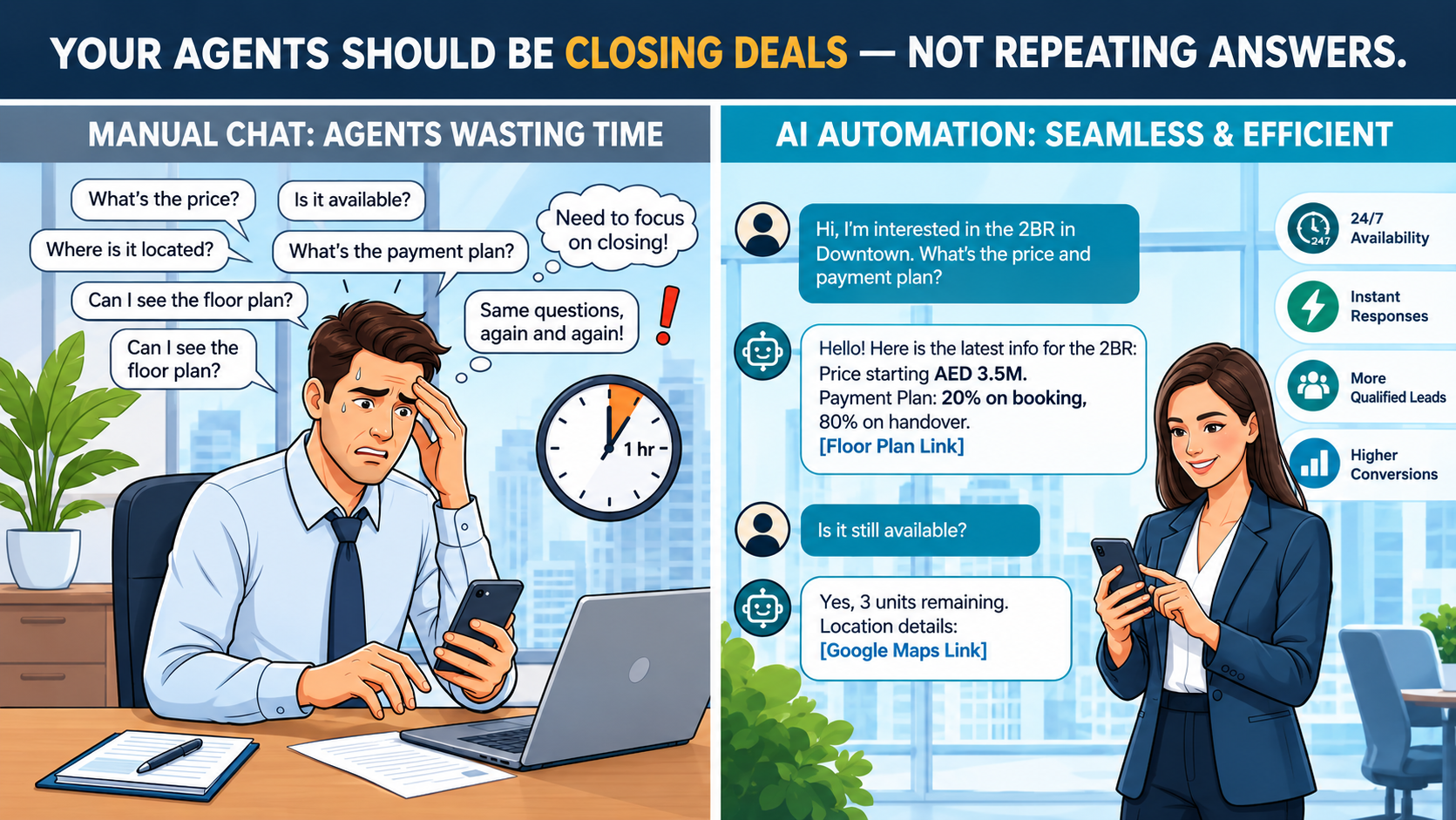
Real estate lead generation is essential for agencies that want to maintain a steady flow of potential buyers, sellers, and investors. However, generating leads is not always easy. Real estate agencies face increasing competition, changing customer behavior, rising advertising costs, and difficulties in converting inquiries into genuine clients. Understanding these real estate lead generation challenges can help agencies develop more effective marketing strategies.
1. Growing Competition in the Market
One of the biggest challenges in real estate lead generation is the growing number of agencies and independent agents competing for the same audience. Property portals, social media platforms, and online advertisements have made it easier for businesses to reach potential customers, but they have also increased competition. Agencies need strong branding, valuable content, and a clear unique selling proposition to attract attention.
2. Generating Qualified Real Estate Leads
Getting numerous inquiries does not necessarily guarantee sales. Some prospects may only be researching property prices, while others may not have a suitable budget or immediate purchasing plans. Generating qualified real estate leads requires agencies to understand their target audience and create campaigns that reach people with genuine buying or selling intentions.
3. Establishing Trust with Potential Clients
Property transactions involve significant financial commitments, making trust an important part of the decision-making process. New prospects may hesitate to contact an agency if they cannot find enough information about its experience and reputation. Customer reviews, property insights, market reports, professional websites, and transparent communication can strengthen credibility and support better lead conversion.
4. Managing Real Estate Marketing Costs
Digital advertising can be an effective part of real estate marketing, but it can also become expensive when campaigns are poorly targeted. Agencies may spend money on search ads or social media promotions without generating enough valuable inquiries. Monitoring campaign performance, testing different advertisements, and focusing on specific customer segments can help improve return on investment.
5. Responding to Leads Quickly
Speed is another important factor in successful real estate lead generation. Potential clients often contact several agents at the same time. If an agency takes too long to respond, the prospect may move to a competitor. Using CRM software, automated responses, and organized communication processes can help agencies respond quickly and maintain engagement.
6. Maintaining Consistent Follow-Up
Many real estate prospects are not ready to make an immediate decision. They may take weeks or months to purchase, sell, or invest in a property. Without proper follow-up, valuable opportunities can disappear. A structured CRM system can help agencies track conversations, schedule reminders, and provide relevant updates to prospects throughout the sales journey.
7. Adapting to Changing Customer Behavior
Today’s property buyers often conduct extensive online research before contacting an agent. They compare properties, prices, locations, reviews, and amenities across different platforms. As a result, agencies must adapt their real estate lead generation strategies by providing useful blogs, videos, virtual tours, market updates, and other helpful resources.
8. Limited Local Market Visibility
Real estate agencies often struggle to reach potential clients within specific neighborhoods or locations. Without strong local SEO, Google Business visibility, location-based advertising, and community-focused content, agencies may miss prospects who are actively searching for properties or agents in their area.
9. Poor Lead Data Management
Managing leads from websites, social media, property portals, phone calls, and email can become complicated. If lead information is scattered across different platforms, agents may lose track of prospects or contact the same person multiple times. A centralized CRM system can help organize real estate prospects and improve the overall lead management process.
10. Difficulty Measuring Marketing ROI
Another common challenge is determining which marketing activities actually generate results. Agencies may invest in social media, paid advertising, SEO, email campaigns, and property portals without knowing which channels deliver the best qualified real estate leads. Tracking conversions and analyzing campaign data allows agencies to allocate their marketing budget more effectively.
Conclusion
The biggest real estate lead generation challenges involve competition, lead quality, trust, marketing costs, response time, follow-up, and changing customer expectations. Real estate agencies that combine targeted real estate marketing, useful content, fast communication, and effective lead management can attract better prospects and improve conversion opportunities. Instead of focusing only on generating more inquiries, agencies should prioritize attracting the right audience and building lasting relationships with potential clients.