
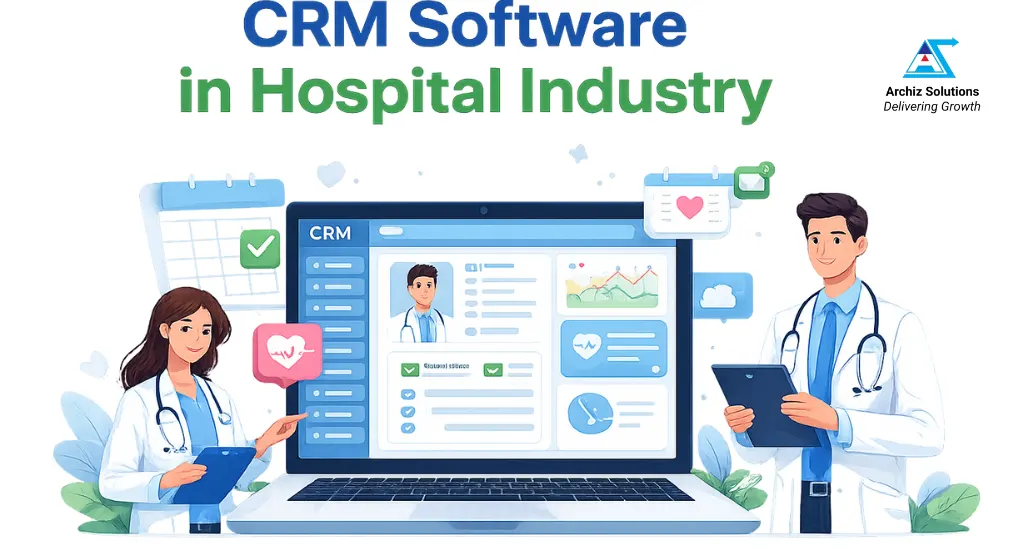
How CRM Software Works in the Hospital Industry
In today’s digital healthcare environment, CRM Software plays a critical role in improving patient relationships, streamlining hospital operations, and enhancing overall service quality. Hospitals no longer rely only on manual systems or fragmented data. Instead, they use CRM Software for hospitals to manage patient interactions, automate workflows, and deliver personalized care.
This article explains how CRM Software works in the hospital industry, its core functions, benefits, and why every modern healthcare organization needs a powerful healthcare CRM system.
What is CRM Software in the Hospital Industry?
CRM Software (Customer Relationship Management Software) in hospitals is a centralized system designed to manage patient data, communication, appointments, follow-ups, and engagement across the entire healthcare journey.
Unlike traditional hospital management systems, CRM Software focuses on patient relationships, experience, and long-term engagement rather than just administrative tasks.
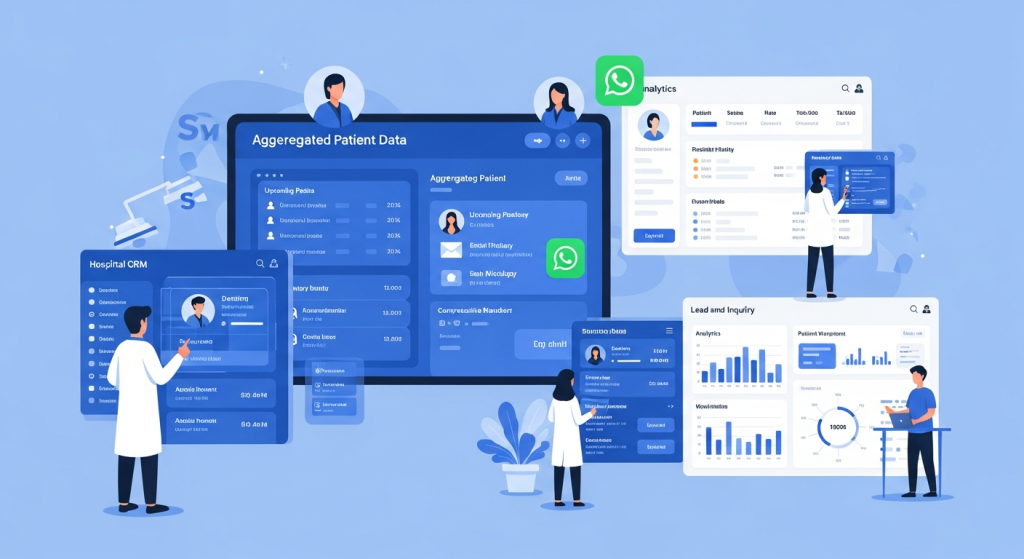
How CRM Software Works in Hospitals
1. Centralized Patient Data Management
CRM Software collects and stores all patient-related information in one secure platform, including:
Patient demographics
Medical history
Appointment records
Communication logs
Billing and insurance details
This centralized approach allows doctors, nurses, and admin staff to access real-time patient data quickly, improving decision-making and care quality.
2. Appointment Scheduling & Automated Reminders
Hospitals use CRM Software to:
Schedule appointments efficiently
Send automated reminders via SMS, email, or WhatsApp
Reduce no-shows and appointment cancellations
This feature improves operational efficiency and enhances the patient experience.
3. Patient Communication & Engagement
Healthcare CRM Software enables hospitals to maintain continuous communication with patients through:
Follow-up reminders
Health check-up notifications
Feedback surveys
Personalized messages
Strong communication builds trust and increases patient satisfaction and retention.
4. Lead & Inquiry Management
Hospitals receive inquiries from websites, phone calls, ads, and walk-ins. CRM Software for hospitals captures, tracks, and assigns these leads to the right department automatically.
This ensures:
Faster response time
Better conversion of inquiries into appointments
No missed patient opportunities
5. Workflow Automation for Hospital Staff
CRM Software automates repetitive hospital tasks such as:
Follow-up scheduling
Patient onboarding
Referral tracking
Report generation
Automation reduces staff workload and improves operational productivity.
6. Analytics & Reporting
Using built-in analytics, CRM Software helps hospitals:
Track patient behavior
Analyze service performance
Measure marketing ROI
Improve decision-making
Data-driven insights help healthcare organizations optimize services and grow efficiently.
Benefits of CRM Software in the Hospital Industry
Improved patient experience
Better patient retention
Reduced no-shows and delays
Efficient staff coordination
Data-driven healthcare decisions
Enhanced hospital reputation
Using CRM Software, hospitals can shift from reactive care to proactive patient management.
Why Hospitals Need CRM Software Today
With increasing patient expectations and competition, hospitals must adopt CRM Software to:
Personalize patient care
Improve communication
Increase operational efficiency
Build long-term patient relationships
A robust healthcare CRM solution is no longer optional—it’s essential.
Conclusion
In the modern healthcare ecosystem, CRM Software has become a vital tool for hospitals aiming to deliver patient-centric care while maintaining operational efficiency. By centralizing patient data, automating communication, streamlining workflows, and providing actionable insights, CRM Software for the hospital industry helps healthcare providers build stronger patient relationships and improve overall service quality.
With rising patient expectations and increasing competition, adopting a reliable healthcare CRM solution is no longer a luxury—it is a necessity. Hospitals that implement CRM Software can reduce administrative burden, enhance patient engagement, improve retention, and make smarter, data-driven decisions. Ultimately, CRM Software empowers hospitals to provide better care, achieve sustainable growth, and stay competitive in today’s digital healthcare landscape.
Frequently Asked Questions (Faqs)
Q1.What is CRM Software used for in hospitals?
CRM Software is used in hospitals to manage patient data, appointments, communication, follow-ups, and patient engagement efficiently.
Q2.How does CRM Software improve patient experience?
CRM Software improves patient experience through automated reminders, personalized communication, faster response times, and better care coordination.
Q3.Is CRM Software secure for healthcare data?
Yes, modern healthcare CRM software follows strict data security and compliance standards to protect sensitive patient information.
Q4.Is CRM Software suitable for small hospitals and clinics?
Yes, CRM Software is scalable and can be customized for small clinics, mid-sized hospitals, and large healthcare organizations.