

Introduction - Real Estate CRM Software for Data Security, Compliance, and Client Trust
Real estate professionals are expected to build and maintain trust with their clients. A client’s trust involves multiple layers of protection, with the most prominent being protecting clients’ confidential data and ensuring that all transactions are compliant with industry regulations.
Real estate agents and brokers manage a tremendous amount of sensitive client information on a daily basis, including: credit history; financial institutions account information (bank accounts, etc.); income verification; mortgage approval documents; legal documents related to the transaction (contracts, deeds, titles, etc.).
Therefore, a real estate CRM (Customer Relationship Management) is much more than a tool for getting sales done or for productivity—this tool also serves as an extra layer of protection against any possible exposure to sensitive client information. To address these threats more effectively, modern CRM platforms now integrate an AI agent that continuously monitors access patterns, flags suspicious activity, and helps sales teams stay ahead of security risks without manual oversight.
By utilizing a secure real estate CRM system, a real estate agency will protect their clients by not only streamlining operational processes, but also protecting their privacy, ensuring compliance with state/federal regulations, and minimizing the occurrence of experiencing a data breach. Ultimately, using a secure CRM will protect the most important asset of any real estate business; which, is a client’s trust.
Securing Real Estate Transactions with Real Estate CRM Software

1. Encrypting Data
Data encryption keeps confidential information such as client information, financial data and contracts protected during both storage and transmission. Encrypted data is rendered impossible to decipher without the use of the appropriate authentication keys; therefore, should an unauthorized person gain access to the encrypted data, he/she would not be able to make sense of the information contained within it.
2. Control Access By Role (RBAC)
Control access to the system based on the role of each user (RBAC). For example:
Agents can see property and client interaction information
Managers can see performance reports
Only authorized executives can see financial information
RBAC reduces the amount of data that employees are exposed to, which also helps mitigate the risk of misuse.
3. Secure Cloud Storage
Secure Cloud Storage Systems Offers customers an efficient, safe, and easy way to manage all aspects of their real estate agency. The latest cloud-based SaaS providers utilize the following technologies to ensure that the customer data is safe and secure:
Firewall protections.
Intrusion detection.
Monitoring of every activity on our server.
Back-Up and Disaster Recovery Plans.
The availability of Secure Cloud Storage Services ensures that a customer¿s data remains secure, available, and free from Cyber threats or incidents.
4. Automated backup of data from The Cloud to The HR Agency
Most effective real estate CRM solutions are cloud-based and set up to automatically back up files every 2 hours (24 hours in case of catastrophic failure). Some Real Estate CRM systems also adopt voicebot-enabled authentication and voice-based alerts, which help verify user identities, ease secure access, and reduce reliance on manual checks — all while keeping compliance standards strong.
5. Multi-Factor Authentication (MFA)
Allows customers to have an added layer of protection when logging into accounts through FTP/FTPS/SFTP and login with the respective username and passwords. MFA significantly decreases the opportunity for unauthorized access.
Data Security and Compliance in Real Estate CRM
1.Data Encryption in Real Estate CRM Software :
Data Portability refers to clients being able to request access to their personal data in a structured format. CRM Systems allow agencies to quickly generate a downloadable version of client data to comply with global regulations on Data Protection Laws.
2. Role-Based Access Control (RBAC) in Real Estate CRM :
Modern CRM Software for real estate provides agencies with solutions for erasing client data to comply with privacy regulation legislation. Agencies will have to delete or anonymise client data upon request in order to fully comply with the “Right to Erasure.”
3.Data Breach Notification:
Compliance-ready CRM platforms can assist agencies in notifying affected clients and regulatory authorities of any security incidents that take place within a legally mandated time period after the breach occurs, the result being that agencies can reduce both their reputational and legal exposure.
4.Compliance Reporting Tools:
Leading real estate CRM Software provides automated compliance reporting capabilities. Users will be able to access real-time audit logs and reports that help agencies identify whether they are meeting their regional and international Compliance requirements and in the most effective manner possible.
Best Real Estate CRM Software for Data Security and Compliance
1. Archiz Solution CRM-Opens in a new tab
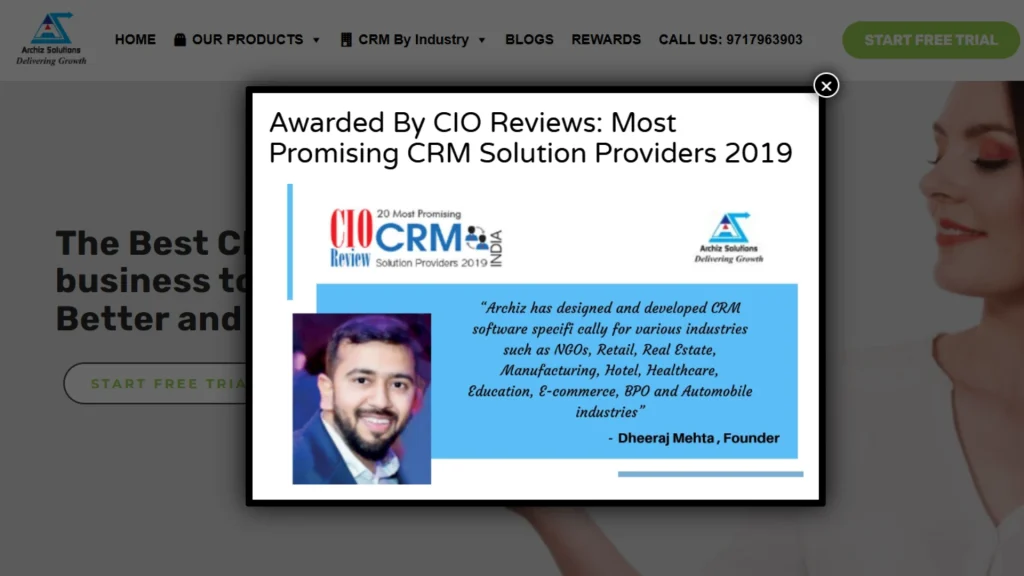
Archiz Solution CRM is a highly secure CRM system with data encryption, secure file sharing, and GDPR compliance.
2. Salesforce CRM
Salesforce comes with strong security protocols that offer powerful data encryption, MFA support, and GDPR readiness.
3. Zoho CRM
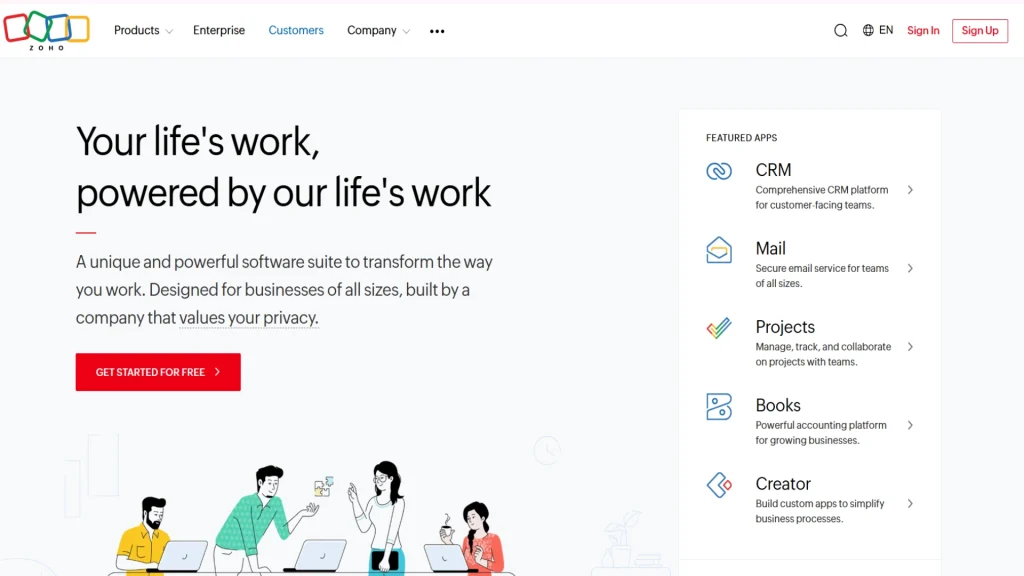
With customizable security systems, Zoho CRM is a great option for real estate agencies. RBAC, secure API calls, and automated compliance processes are just some of the features.
4. Pipedrive CRM
Pipedrive provides secured encrypted communication as well as data backup systems to ensure the safety and compliance of real estate transactions.
Conclusion: Why Secure Real Estate CRM Software Is Essential
In the real estate CRM industry, data security and compliance are imperatives. Since agents deal with a greater deal of clients’ information, negligence in applying heavy security could lead to disastrous consequences.
By investing in a trusted real estate CRM, which therefore secures transactions, builds client trust, and ensures full compliance with data protection regulations. Forward-looking companies are now turning to agentic CRM platforms — autonomous CRM systems that predict compliance gaps, automate corrective actions, and help ensure regulatory requirements are met without continuous human interventio
Frequently Asked Questions (Faqs)
Q1.Why is data security important in a real estate CRM?
Data security is crucial in a real estate CRM because agents handle sensitive client information such as financial records, identity details, and property documents. A secure CRM protects this data from breaches, misuse, and unauthorized access.
Q2.How does a real estate CRM protect client data?
A real estate CRM protects client data through encryption, role-based access control, secure cloud storage, automated backups, and multi-factor authentication to prevent unauthorized access and data loss.
Q3.What compliance standards should a real estate CRM follow?
A real estate CRM should comply with data protection regulations such as GDPR and other regional privacy laws by supporting data portability, right to erasure, breach notifications, and compliance reporting.Zoho CRM and Wise Agent have been famous among small teams because of their high affordability and scalability. Both have features for almost all small teams but can be used by even large companies.
Q4.A real estate CRM should comply with data protection regulations such as GDPR and other regional privacy laws by supporting data portability, right to erasure, breach notifications, and compliance reporting.
Yes, cloud-based real estate CRM platforms use advanced security measures like firewalls, intrusion detection systems, continuous monitoring, and data redundancy to ensure data safety and availability.