
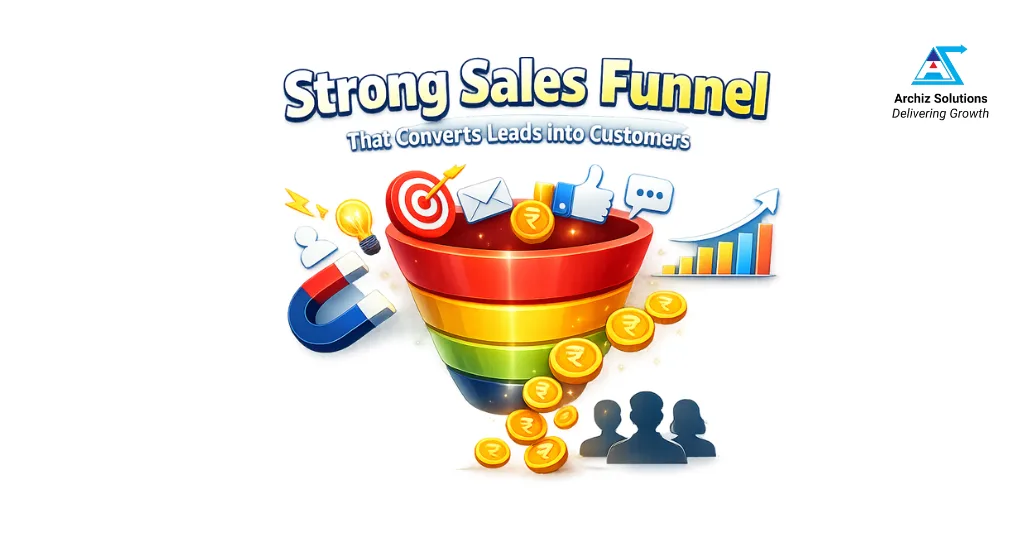
How to Build a Strong Sales Funnel That Converts Leads into Customers
In today’s competitive digital environment, building a strong sales funnel is no longer optional—it is essential for consistent growth. Businesses that fail to structure their sales funnel properly often lose leads, waste marketing budgets, and struggle with low conversion rates.
A well-designed sales funnel helps you attract the right audience, nurture prospects, and convert leads into loyal customers using automation, data, and sales CRM technology.
This guide explains how to build a strong sales funnel that improves conversions, aligns sales and marketing, and drives predictable revenue.
What Is a Sales Funnel?
A sales funnel is a structured process that guides potential customers from initial awareness to final purchase. It visualizes the buyer’s journey and helps businesses understand where leads are dropping off and how to optimize conversions.
Modern sales funnel management relies heavily on sales CRM software, automation tools, and analytics to track and nurture leads effectively.
Why a Strong Sales Funnel Is Important for Business Growth
A properly built sales funnel delivers measurable benefits:
Higher lead-to-customer conversion rates
Better lead nurturing and engagement
Faster sales cycles
Improved ROI from marketing campaigns
Clear alignment between sales and marketing teams
With the integration of a sales CRM, businesses gain complete visibility into every stage of the sales funnel.
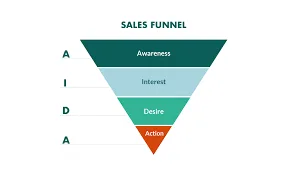
Key Stages of a High-Converting Sales Funnel
1. Awareness Stage – Attract the Right Audience
At the top of the sales funnel, prospects discover your brand through:
SEO-optimized content
Paid advertising
Social media marketing
Email campaigns
Using keyword-targeted blogs, landing pages, and ads ensures you attract high-intent leads into your sales funnel.
2. Interest Stage – Engage and Educate Leads
Once leads enter your sales funnel, your goal is to educate them and build trust.
Effective engagement methods include:
Email nurturing campaigns
Webinars and demos
Educational blogs and guides
A sales CRM helps track interactions and personalize communication based on lead behavior.
3. Consideration Stage – Nurture with Value
At this stage, prospects compare solutions. A strong sales funnel strategy includes:
Case studies
Product comparisons
Testimonials
Automated follow-ups
With sales CRM software, you can segment leads and deliver targeted messaging that increases buying intent.
4. Conversion Stage – Turn Leads into Customers
This is where your sales funnel converts leads into customers.
To improve conversion rates:
Use automated reminders
Enable quick response times
Offer limited-time incentives
Assign leads instantly through a sales CRM
A CRM-driven sales funnel ensures no lead is missed or delayed.
5. Retention Stage – Build Long-Term Relationships
A successful sales funnel doesn’t stop at conversion. Post-sale engagement helps:
Increase repeat purchases
Improve customer lifetime value
Generate referrals
Using a sales CRM, businesses can manage follow-ups, upselling, and customer support efficiently.
Benefits of a Strong Sales Funnel with Sales CRM
30–50% faster lead conversion
Improved sales productivity
Better forecasting accuracy
Higher customer satisfaction
Scalable revenue growth
A CRM-powered sales funnel directly impacts profitability and business stability.
Conclusion
Building a strong sales funnel is essential for converting leads into customers in today’s fast-moving market. When combined with a powerful sales CRM, your sales funnel becomes an automated, data-driven system that improves conversions, enhances customer experience, and drives long-term growth.
Businesses that invest in optimizing their sales funnel gain a competitive edge and achieve predictable, scalable success.
Frequently Asked Questions (Faqs)
Q1.What is a sales funnel?
A sales funnel is a structured process that guides prospects from awareness to purchase, helping businesses convert leads into customers.
Q2.Why is a sales funnel important?
A sales funnel improves lead management, increases conversion rates, and provides clear visibility into the sales process.
Q3.How does a sales CRM improve a sales funnel?
A sales CRM automates lead tracking, follow-ups, scoring, and analytics, making the sales funnel more efficient and conversion-focused.
Q4.How often should a sales funnel be optimized?
Sales funnels should be reviewed and optimized regularly based on data, customer behavior, and market trends.
I appreciate the clarity and depth you bring to this topic. It’s evident you’ve put a lot of thought into this. Well done!
Your guidance and encouragement have been invaluable in helping me discover the benefits of blogging.