
How Does Sales CRM Software Improve Project Productivity and Profitability?
Due to increased competition in today’s marketplace, sales teams need to continue increasing revenue, decrease administrative time, and enhance connections with customers. Implementing a modern sales CRM software solution provides one central location to create leads, monitor customer account activity, and automate day-to-day sales tasks, all of which improve both sales growth and profitability.
As an example, companies using a modern sales CRM will have complete visibility into every sales opportunity and be able to accurately predict future revenue, while having automated email reminders set up for follow-up calls when needed to help minimize missed opportunities and maximize conversion ratios.
What Is a Sales CRM, and Why Is It Significant?
A Sales CRM (Customer Relationship Management) System Is a Software Solution Designed to Organize, Automate, and Analyze Sales Activity. A Sales CRM Can Be Used by Sales Teams to:
- Keep Track of Leads and Opportunities
- Manage a Central Customer Database
- Automate Repetitive Sales Tasks
- Measure Performance Via Analytics and Reporting
- Streamlining Sales Activity Using a Sales CRM Helps Ensure Every Lead Gets Followed Up on and No Potential Revenue Is Missed.
What are Some of the Main Benefits of Using a Sales CRM to Improve Your Sales Growth?
1. Centralizing All of Your Leads -
The Sales CRM enables you to capture and store all of your leads in one central location from various sources, including Email, Social Media and Phone Calls. This will allow the Sales Team to easily identify and prioritize their most qualified prospects so they have the opportunity to maximize their closing ratios.
2. More Efficient Use of Time through Sales Automation
The automated processes found within a Sales CRM can facilitate some of the repetitive daily tasks for sales representatives, such as sending follow-up emails or reminders, or receiving notifications about new appointments. As a result of these automated processes, sales representatives will have more time to concentrate on selling products, to close more sales and to be more productive and generate higher levels of revenue.
3. Increased Visibility into Sales Pipelining
Through Sales Pipeline Management, Sales Managers are able to view the current status of every deal within the Sales Pipeline. Sales Pipeline Management allows Sales Managers to accurately forecast revenue, identify possible barriers or roadblocks and make intelligent and informed business decisions which will improve their overall sales results.
4. Improved Customer Relationships
The Sales CRM enables Sales Representatives to keep track of every interaction they’ve had with customers, including customer purchases, product information, personal preferences and communication preferences. As a result of having this information, Sales Representatives can establish a personal relationship with their customers and create longstanding trust and loyalty.
5. Analytical Reporting for Data-Driven Decision-Making
Analytical Reporting within the Sales CRM allows Sales Managers to analyze data regarding Sales Trends, Sales Performance, and Customer Buying Patterns, among others. This information can be leveraged by the business to refine Business Strategies, to identify Opportunities and increase Revenue for the Company.
How Sales CRM Increases Profitability
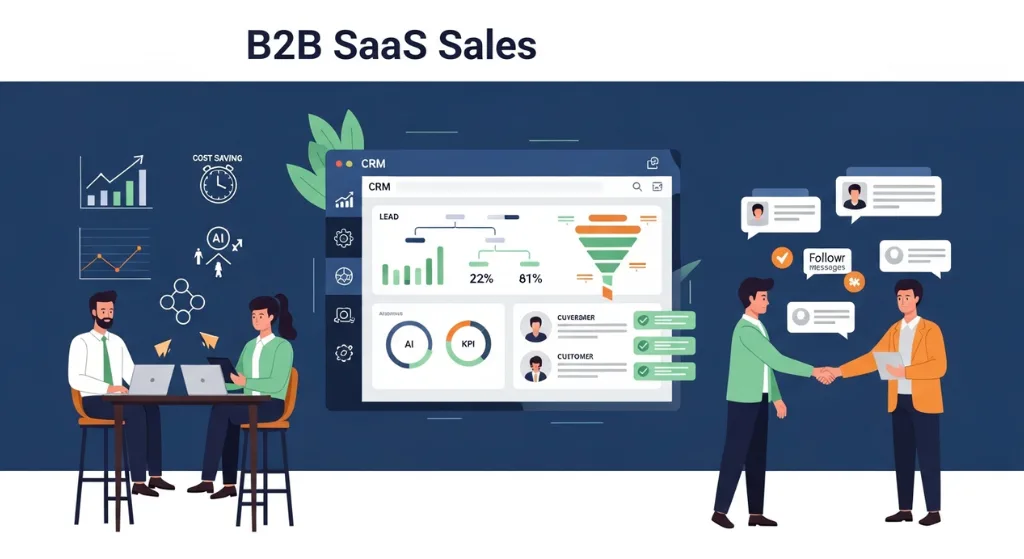
Reduces Operational Costs: Automating repetitive tasks saves time and reduces human errors.
Increases Conversion Rates: Timely follow-ups and personalized engagement ensure more leads convert into paying customers.
Optimizes Sales Team Performance: Monitoring KPIs and performance metrics helps in training and improving productivity.
Enhances Customer Retention: Happy and engaged customers are more likely to make repeat purchases, boosting long-term profits.
Choosing the Right Sales CRM for Your Business
When selecting a sales CRM, consider:
Ease of use and adoption by your team
Automation features for emails, follow-ups, and tasks
Integration with other tools like email, marketing platforms, and ERP
Analytics and reporting capabilities for revenue forecasting
Choosing the right sales CRM ensures you maximize ROI and drive long-term sales growth.
Conclusion
A modern sales CRM software is no longer optional — it’s essential for businesses aiming to increase sales growth and profitability. By centralizing customer data, automating tasks, improving lead tracking, and providing actionable insights, sales CRM helps organizations make smarter decisions, close more deals, and build lasting customer relationships.
Call-to-Action (CTA):
Ready to boost your sales and profitability? Explore our Sales CRM solutions today and see how automation and data-driven insights can transform your business.
Frequently Asked Questions (Faqs)
Q1.What is sales CRM software and how does it help businesses?
Sales CRM software (Customer Relationship Management) is a tool that helps businesses manage leads, track customer interactions, and automate sales processes. By centralizing customer data and providing actionable insights, it improves sales productivity, enhances customer relationships, and drives revenue growth.
Q2.How can sales CRM increase sales growth?
A sales CRM increases sales growth by streamlining lead management, automating repetitive tasks, and providing pipeline visibility. Sales teams can prioritize high-potential leads, follow up on time, and close deals faster, resulting in higher conversion rates and overall business growth.
Q3.Can sales CRM improve profitability for my company?
Yes. By improving efficiency, reducing operational errors, and increasing customer retention, a sales CRM helps companies maximize profits. Automated workflows and better analytics allow businesses to optimize resources and make data-driven decisions, directly impacting profitability.
Q4.How does sales CRM improve customer relationships?
By storing complete customer histories, interaction records, and communication preferences, a sales CRM allows personalized engagement. This builds trust and loyalty, reduces lost leads, and encourages repeat purchases, contributing to long-term profitability.